
Family Constellations Resource Library
A curated collection of articles exploring Family Constellations, family relationships, recurring patterns, family history, and the ways experiences across generations may continue influencing our lives.

Anxiety and Family Constellations
Family Constellations offers a broader systemic perspective on anxiety by considering the possible influence of family relationships, recurring patterns, and experiences across generations.
Depression and Family Constellations
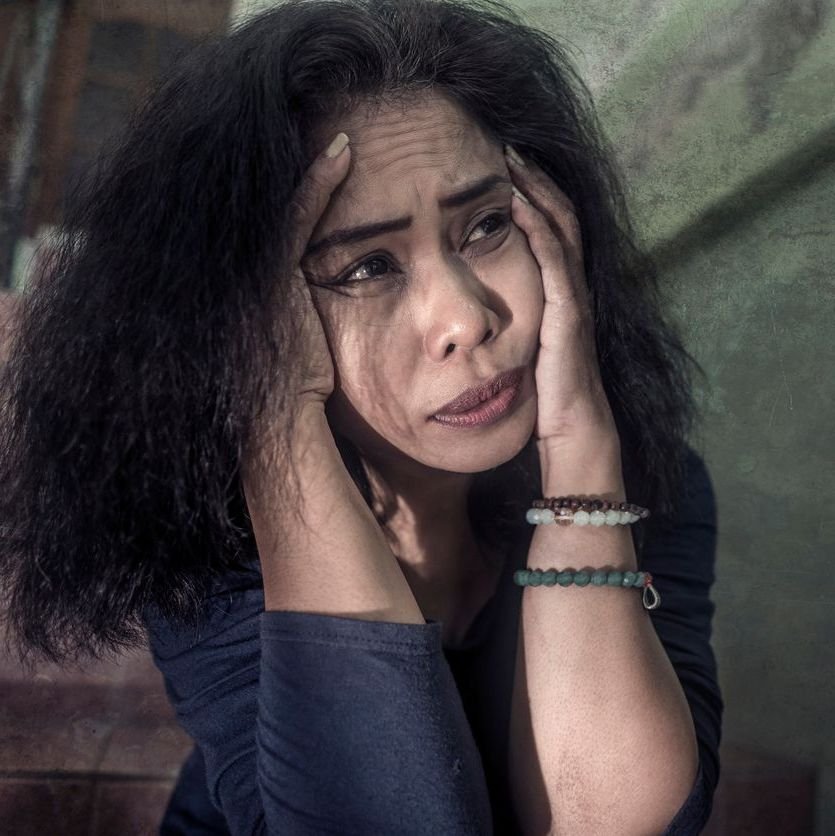
Depression has many contributing influences. Family Constellations offers a wider understanding that considers how family relationships, experiences across generations, and recurring patterns may also play a role.

Signs of Generational Trauma
Signs of generational trauma may appear through repeating emotional struggles, relationship difficulties, anxiety, addiction, or inherited family patterns.

What is Inherited Family Trauma?
Inherited family trauma involves emotional, relational, and nervous system patterns that may continue after unresolved loss, violence, addiction, abandonment, or exclusion in earlier generations.

How Childhood Trauma Affects Adult Relationships
Childhood trauma may continue affecting adult relationships through nervous system conditioning, emotional entanglement, and inherited relationship patterns.
Why Family Patterns Repeat Across Generations
Many people find themselves repeating painful relationship, emotional, or family patterns without fully understanding why.

Why Do I Feel Deep Shame?
Deep shame may develop through unconscious loyalty, exclusion, inherited emotional burdens, and unresolved family dynamics carried across generations.

Why Do I Feel Like I Don’t Belong?
Feeling like you do not belong may involve more than present relationships. Family Constellations offers a systemic perspective on how interrupted connection, exclusion, unconscious loyalty, and family history may become connected to this experience and the search for one’s place.
Parentification
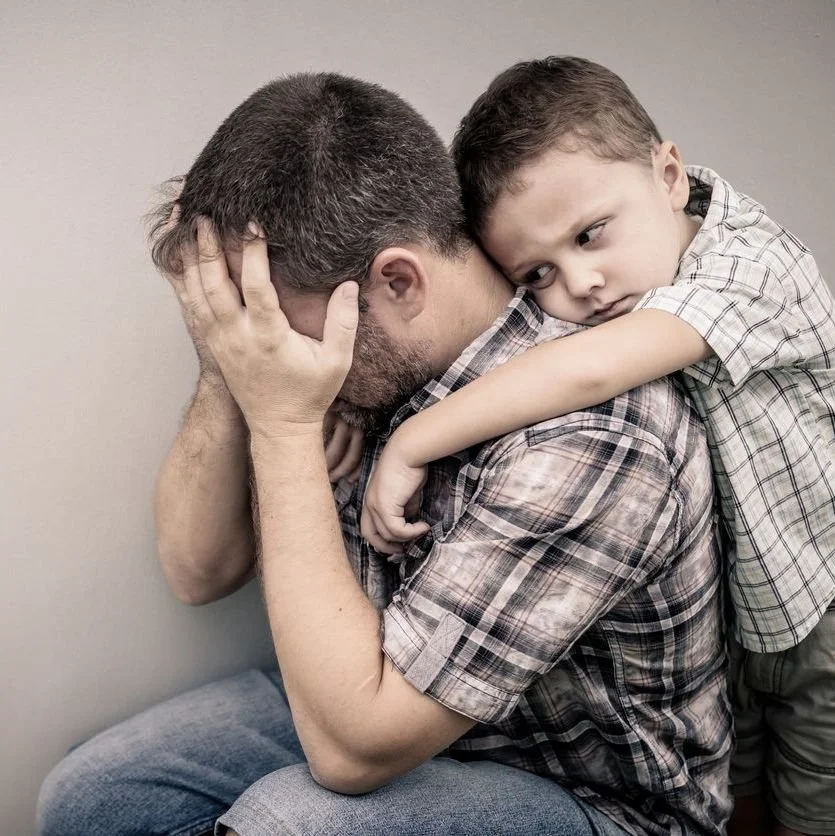
Parentification occurs when a child takes on practical or relational responsibilities that belong with a parent or another adult. This article explains how responsibility can become the child’s place, why it may continue into adulthood, and how Family Constellations understands movement toward a more appropriate order.

When Children Carry Their Parents' Pain
Many children unconsciously carry their parents' grief, stress, or emotional burdens. Family Constellations explores how parentification, loyalty, and family dynamics may shape this experience and continue affecting adult life.
Grief, Loss, and Family Constellations
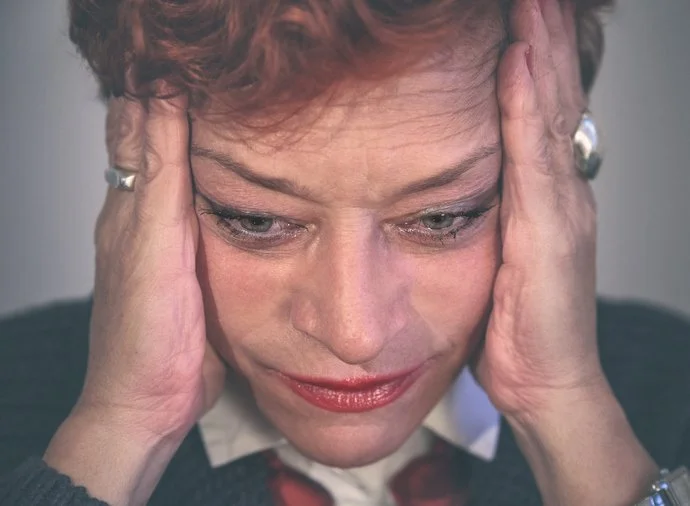
Family Constellations explores how grief, loss, belonging, trauma, and unresolved family experiences may continue influencing individuals and families across generations.

Lost Homeland, Migration, and Family Constellations
Leaving a homeland can separate a family from place, language, culture, and people who remain behind. Family Constellations explores how migration and displacement continue through belonging, identity, silence, guilt, and loyalty across generations.

Trauma, the Nervous System & Family Constellations
Trauma may affect both the nervous system and family system through chronic stress, fear, unresolved loss, and disrupted emotional connection.

Addiction in Family Systems
Addiction may reflect unresolved trauma, emotional disconnection, exclusion, or unconscious loyalty to suffering within the family system.

The Past Is Not Past
The past may continue influencing emotional life and relationships when unresolved trauma, grief, or exclusion remain active within the family system.

Concealment in Family Systems
Hidden trauma, secrets, or unspoken pain within families may continue affecting later generations in unexpected ways.

The System Remembers the Excluded
Everyone who belongs to a family system has a place. Family Constellations explores how exclusion may remain connected to later generations through unconscious loyalty and entanglement.

Resolving Issues in Their Original Context
Feelings that seem out of place in our present lives often make sense in the circumstances our ancestors experienced. Family Constellations brings these feelings and their original contexts into view, attending to what remains unresolved so descendants can release what they carry and remain connected to their ancestors through love.

Self-Sabotage and Unconscious Family Loyalty
What appears as self-sabotage in adult life may be the child’s successful attempt to maintain belonging. Family Constellations explores how blocked success can express guilt, identification, and unconscious loyalty to parents or excluded family members.
Perpetrator and Victim Dynamics
Experiences of violence, abuse, betrayal, and persecution can continue affecting families long after the original events have passed. Family Constellations explores how these dynamics may influence later generations.