
Family Constellations Resource Library
A curated collection of articles exploring Family Constellations, family relationships, recurring patterns, family history, and the ways experiences across generations may continue influencing our lives.

Welcome - Start Here
The Resource Library offers a place to build understanding of Family Constellations one question, relationship, and idea at a time. Introductory guides and articles on family relationships, belonging, and generational patterns provide different starting points. Learning develops through thoughtful reading, reflection, and experience, with room for the complexity of each person and family.
What Are Family Constellations?
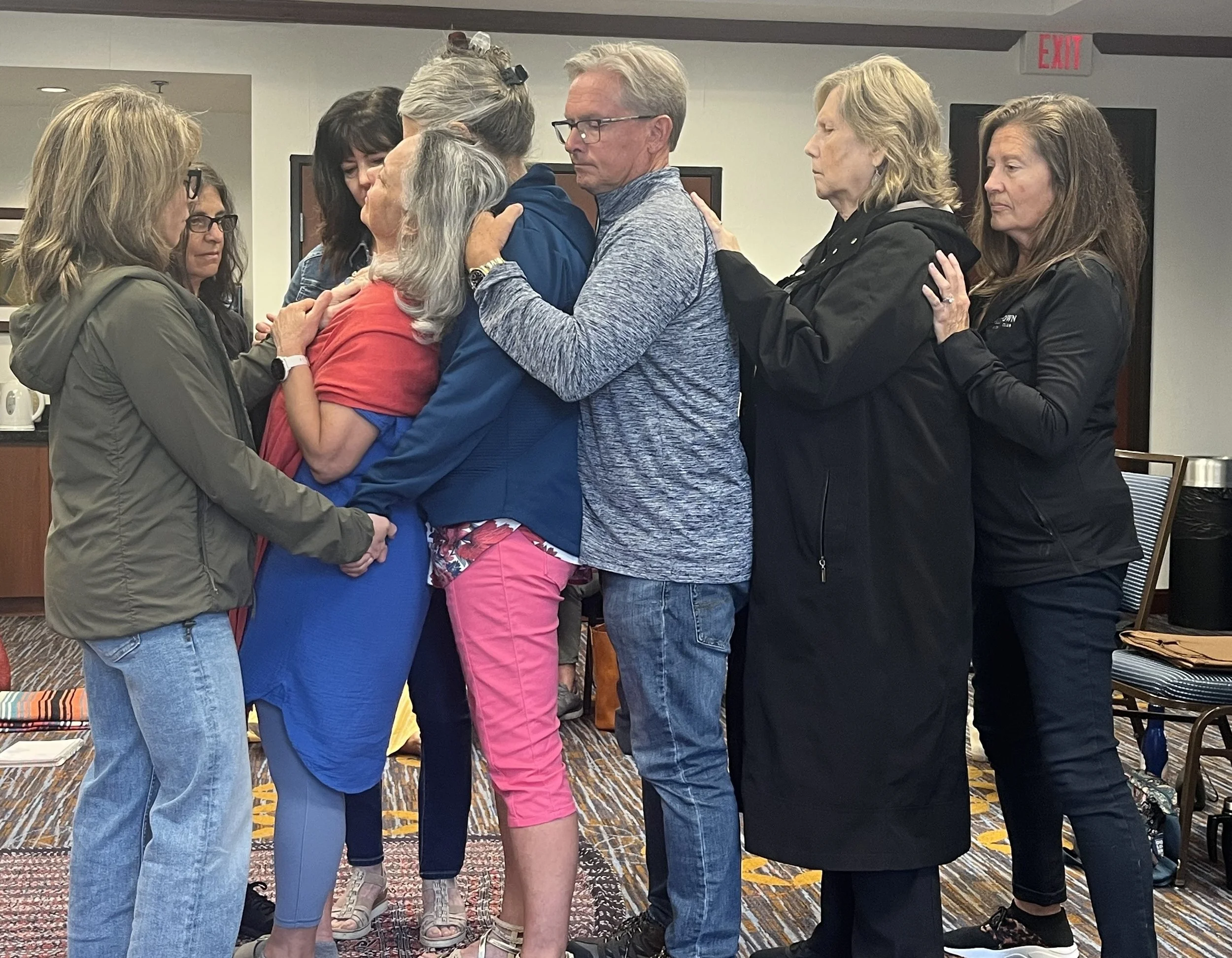
Family Constellations is an experiential approach to understanding a person within their family relationships and history. This guide introduces how constellations unfold, the principles of belonging, order, and balance, and the roles of representatives and the facilitator. It also explains different session formats, the phenomenological stance, and the distinction between systemic value and scientific evidence.
Family Constellation Therapy
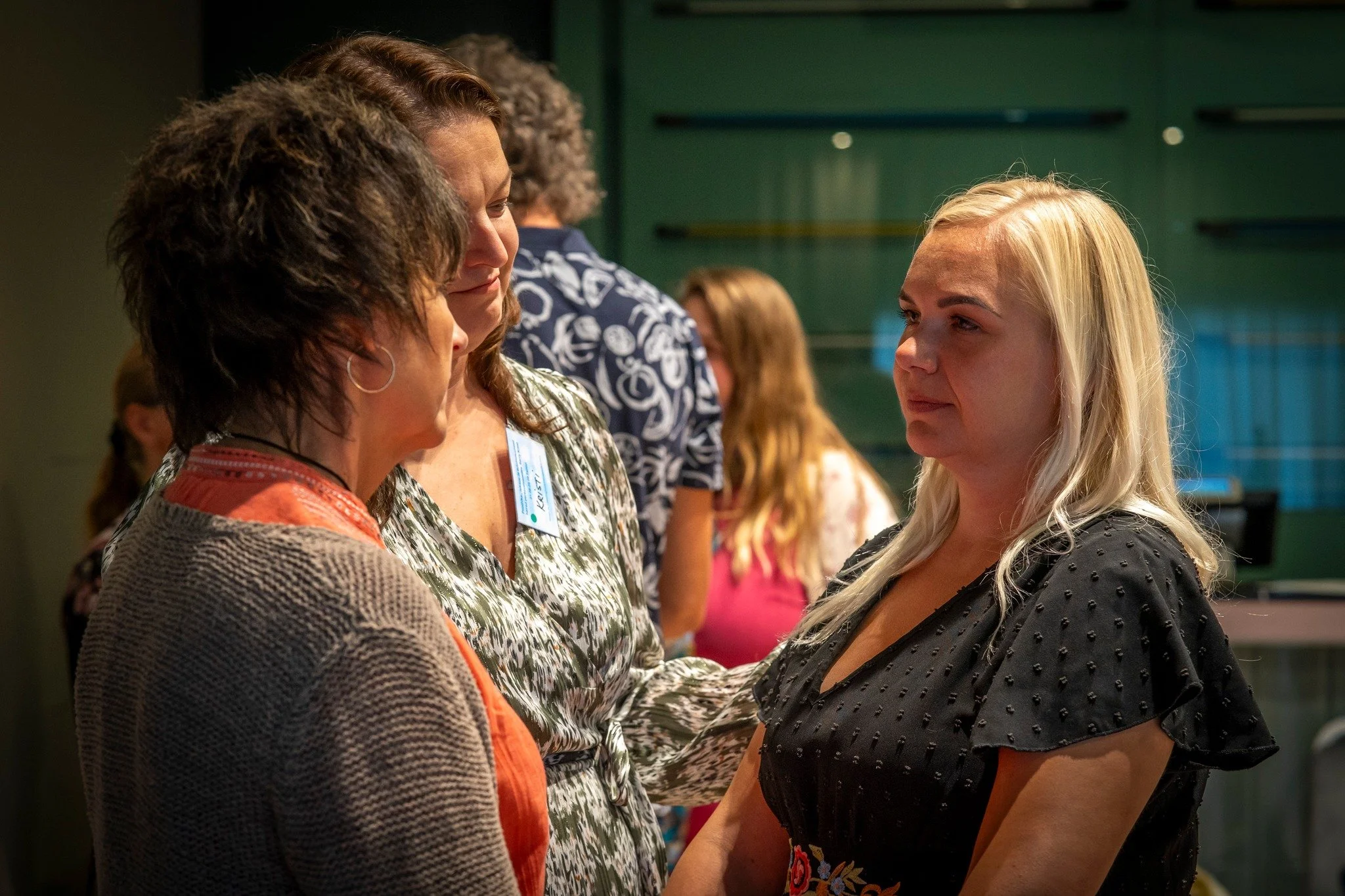
Family Constellation Therapy considers a person’s concern within the relationships and history of their family. Through representatives, objects, or other experiential formats, hidden loyalties, exclusions, entanglements, and interrupted connections can become visible. The facilitator follows what emerges rather than imposing a fixed explanation, allowing the concern to be understood within its particular systemic context.

Is Family Constellation Therapy Effective?
What makes a Family Constellation effective, and how is its value understood? A constellation may reveal an unconscious loyalty, exclusion, entanglement, or relationship that gives new meaning to a longstanding concern. Evaluating that value involves what participants recognize, how the work is facilitated and integrated, and what scientific research can tell us about its effectiveness.

Integration After a Family Constellation
Integration is how a constellation experience finds its place in everyday life. What became visible during a session may take on meaning in a conversation with a parent, an offer of support, or a decision about one’s own life. Understanding can develop gradually as the experience settles and meets familiar relationships and situations.

Anxiety and Family Constellations
Anxiety may become more understandable when considered within a person’s family relationships and history. Family Constellations attends to interrupted connection, fear connected to earlier family experiences, and unconscious loyalties through which someone may carry another person’s fear or responsibility. These relationships can give context to anxiety that feels difficult to explain through present circumstances alone.

Depression and Family Constellations
Depression may be understood within the context of unresolved grief, exclusion, interrupted connection, or unconscious loyalty to another family member’s suffering. Family Constellations attends to the people and relationships involved, including losses that remain unacknowledged and burdens carried for others. This perspective brings attention to how a person’s suffering may remain connected to earlier family experiences.

Signs of Generational Trauma
Recurring grief, fear, over-responsibility, or relationship difficulties can invite questions about earlier family experiences. Similar patterns across generations, silence around significant events, or guilt about living differently may draw attention to unresolved family history. Family Constellations considers the people, losses, exclusions, and unconscious loyalties through which earlier suffering may remain connected to present life.

What is Inherited Family Trauma?
Within Family Constellations, inherited family trauma describes connections through which a person may become involved in the suffering, loss, or exclusion of earlier family members. Identification, entanglement, and unconscious loyalty can link present difficulties to family history. A person may carry grief connected to an earlier loss, share another family member’s fear, or repeat a limiting pattern without knowing the history behind it.

How Childhood Trauma Affects Adult Relationships
A child may respond to frightening or painful family circumstances by withdrawing, remaining watchful, or becoming responsible for a parent. These responses can continue in adult relationships, even when a present partner offers care. Family Constellations considers how interrupted reaching and unconscious loyalty shape what the person expects or fears, distinguishing the earlier relationship from what belongs between adults now

Understanding Relationships Through Family Constellations
Present relationships can become the place where earlier longing, responsibility, grief, or loyalty continues. A partner may be expected to provide what was missing with a parent or become the recipient of care once directed toward the family. Family Constellations distinguishes these earlier relationships from what belongs between the present partners as adults.

Why Family Patterns Repeat Across Generations
Family patterns can continue through the ways children learned to preserve connection and through unconscious loyalty to earlier family suffering. The circumstances may change while a familiar sacrifice, loss, or limitation returns. Family Constellations considers whom or what the repetition connects a person to, and why a pattern may persist even when the person consciously wants a different life.

Why Am I Drawn to Emotionally Unavailable People?
Longing without being received can become familiar when a child repeatedly reaches toward a parent who is unavailable. In adult relationships, an unavailable partner may become connected to that earlier longing. Family Constellations considers how interrupted connection, unconscious loyalty, and the attempt to finally be received can make a painful attraction feel compelling and difficult to leave.

Why Do I Feel Deep Shame?
Deep shame can feel like a statement about who a person is, rather than something they carry. Within Family Constellations, attention turns toward belonging, interrupted connection, and unconscious loyalty to family suffering or exclusion. Remaining small, unseen, or unable to receive may become a way of staying connected to someone whose experience has not been acknowledged.

Why Do I Feel So Lonely?
Loneliness can remain even when other people are present and care is available. Earlier reaching that was not received may continue through longing, withdrawal, or difficulty feeling met in present relationships. Family Constellations considers interrupted connection alongside unresolved losses, exclusions, and unconscious loyalty to family members who lived without closeness or belonging.

Why Do I Feel Like I Don’t Belong?
A person can belong to a family while feeling different, unseen, or unable to find their place. Interrupted connection and unconscious loyalty to someone excluded may contribute to this experience. Family Constellations distinguishes fitting in from systemic belonging and considers how earlier family relationships continue within the search for acceptance and connection now.

Why Do I Feel Like I Have to Earn Love?
Being helpful, successful, responsible, or undemanding can become a child’s way of seeking care and acceptance. The effort may continue into adulthood, turning relationships into tests of whether the person has done enough. Family Constellations considers the earlier longing, family roles, and unconscious loyalties beneath the need to secure love through what one provides.

Why Do I Fear Being Rejected?
Present rejection can touch an earlier fear of losing connection and belonging. A person may become helpful, undemanding, or constantly attentive to others in an effort to avoid being turned away. Family Constellations considers interrupted reaching toward a parent and loyalty to excluded family members as dynamics that may give context to this fear.

Parent–Child Connection
Love between parents and children can remain present even when closeness is difficult. Interrupted reaching, unconscious loyalty, entanglement, and responsibilities carried by a child can stand between them. Family Constellations considers what affects the child’s ability to reach toward and receive from the parents, and the parents’ ability to turn toward and receive the child.

Interrupted Reaching Out Movement
A child’s natural reaching toward a parent can stop when separation, loss, or unavailability prevents them from feeling received. The longing may remain while reaching becomes painful or frightening. Family Constellations considers where this movement was interrupted, how withdrawal and loyalty developed, and how the unfinished reaching continues through difficulties with closeness, trust, and receiving support.