
Family Constellations Resource Library
A curated collection of articles exploring Family Constellations, family relationships, recurring patterns, family history, and the ways experiences across generations may continue influencing our lives.

Anxiety and Family Constellations
Anxiety may become more understandable when considered within a person’s family relationships and history. Family Constellations attends to interrupted connection, fear connected to earlier family experiences, and unconscious loyalties through which someone may carry another person’s fear or responsibility. These relationships can give context to anxiety that feels difficult to explain through present circumstances alone.

Depression and Family Constellations
Depression may be understood within the context of unresolved grief, exclusion, interrupted connection, or unconscious loyalty to another family member’s suffering. Family Constellations attends to the people and relationships involved, including losses that remain unacknowledged and burdens carried for others. This perspective brings attention to how a person’s suffering may remain connected to earlier family experiences.

Signs of Generational Trauma
Recurring grief, fear, over-responsibility, or relationship difficulties can invite questions about earlier family experiences. Similar patterns across generations, silence around significant events, or guilt about living differently may draw attention to unresolved family history. Family Constellations considers the people, losses, exclusions, and unconscious loyalties through which earlier suffering may remain connected to present life.

What is Inherited Family Trauma?
Within Family Constellations, inherited family trauma describes connections through which a person may become involved in the suffering, loss, or exclusion of earlier family members. Identification, entanglement, and unconscious loyalty can link present difficulties to family history. A person may carry grief connected to an earlier loss, share another family member’s fear, or repeat a limiting pattern without knowing the history behind it.

How Childhood Trauma Affects Adult Relationships
A child may respond to frightening or painful family circumstances by withdrawing, remaining watchful, or becoming responsible for a parent. These responses can continue in adult relationships, even when a present partner offers care. Family Constellations considers how interrupted reaching and unconscious loyalty shape what the person expects or fears, distinguishing the earlier relationship from what belongs between adults now

Why Family Patterns Repeat Across Generations
Family patterns can continue through the ways children learned to preserve connection and through unconscious loyalty to earlier family suffering. The circumstances may change while a familiar sacrifice, loss, or limitation returns. Family Constellations considers whom or what the repetition connects a person to, and why a pattern may persist even when the person consciously wants a different life.

Why Do I Feel Deep Shame?
Deep shame can feel like a statement about who a person is, rather than something they carry. Within Family Constellations, attention turns toward belonging, interrupted connection, and unconscious loyalty to family suffering or exclusion. Remaining small, unseen, or unable to receive may become a way of staying connected to someone whose experience has not been acknowledged.

Why Do I Feel Like I Don’t Belong?
A person can belong to a family while feeling different, unseen, or unable to find their place. Interrupted connection and unconscious loyalty to someone excluded may contribute to this experience. Family Constellations distinguishes fitting in from systemic belonging and considers how earlier family relationships continue within the search for acceptance and connection now.

Parentification
Parentification occurs when a child assumes responsibilities or a position that belongs with an adult. Becoming a caretaker, confidant, or protector can preserve connection while leaving the child’s own needs unanswered. Family Constellations considers the love and loyalty beneath this position, and how responsibility for a parent can continue through guilt, overgiving, or difficulty receiving support in adult life.

When Children Carry Their Parents' Pain
A child may try to stay close to a suffering parent by sharing their pain, hiding personal needs, or becoming responsible for them. Carrying suffering and taking an adult role are distinct movements, although they can occur together. Family Constellations considers the love and loyalty beneath these connections and how they continue through guilt, overgiving, or difficulty turning toward one’s own relationships and life.

Grief, Loss, and Family Constellations
Loss belongs to every family story, but not every loss is mourned, spoken about, or given a place. Family Constellations considers who was lost, how others were affected, and whether later family members became connected to unresolved grief. Personal grief and entanglement with another person’s loss are distinct experiences that can exist together.
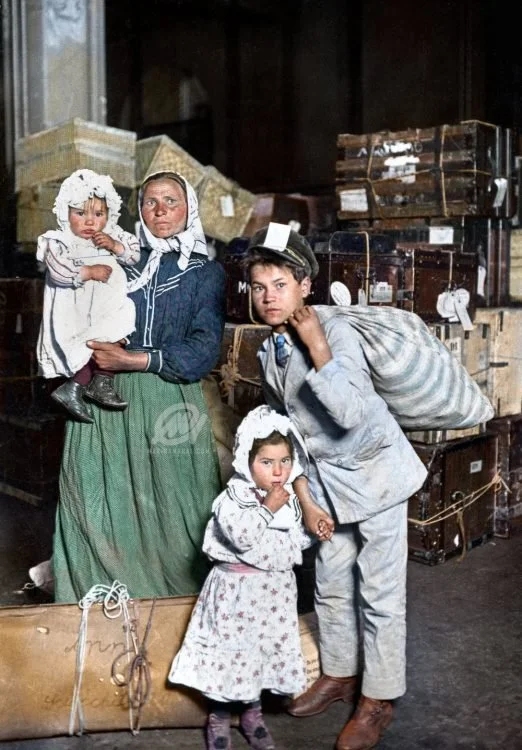
Lost Homeland, Migration, and Family Constellations
Losing a homeland can mean losing language, community, social place, and daily connection with people left behind. These losses and loyalties may continue through later generations. Family Constellations considers how the circumstances of departure, the people who remained, and the relationship with a new country shape questions of home, identity, success, and belonging for migrants and their descendants.

Trauma, the Nervous System & Family Constellations
The effects of an overwhelming event can continue through vigilance, tension, withdrawal, or difficulty receiving support. Family Constellations considers both what happened and the relationships surrounding it, including whether a child was protected and received afterward. Bodily experiences may also bring attention to interrupted connection, unresolved loss, or unconscious loyalty within the family system.

Addiction in Family Systems
Addiction can disrupt trust, safety, and connection throughout a family, affecting partners, children, and later generations. Family Constellations considers how interrupted connection, unresolved trauma, exclusion, and unconscious loyalty may be relevant to these experiences. Attention turns toward the relationships involved, including unconscious loyalty to a family member’s suffering and patterns of addiction repeated across generations.

The Past Is Not Past
An event can end while its place within family relationships remains unresolved. The influence of earlier loss, exclusion, violence, grief, or secrecy may continue through unconscious loyalty and entanglement in later generations. Family Constellations considers how the past becomes present in recurring patterns and how someone can be connected to an earlier experience without knowing the family history behind it.

Concealment in Family Systems
What remains unspoken does not cease to belong to the family. The influence of concealed people, losses, and events may continue through silence, exclusion, unconscious loyalty, or entanglement. Family Constellations brings attention to how later family members become connected to what was hidden, including the loyalties through which they protect the silence or carry another person’s suffering.

The System Remembers the Excluded
Being forgotten, rejected, or concealed does not remove a person’s belonging within the family system. Through unconscious loyalty or entanglement, a later family member may represent someone whose place was denied. Family Constellations considers who has been left out of the family story and how that exclusion may continue through another person’s suffering or recurring patterns.
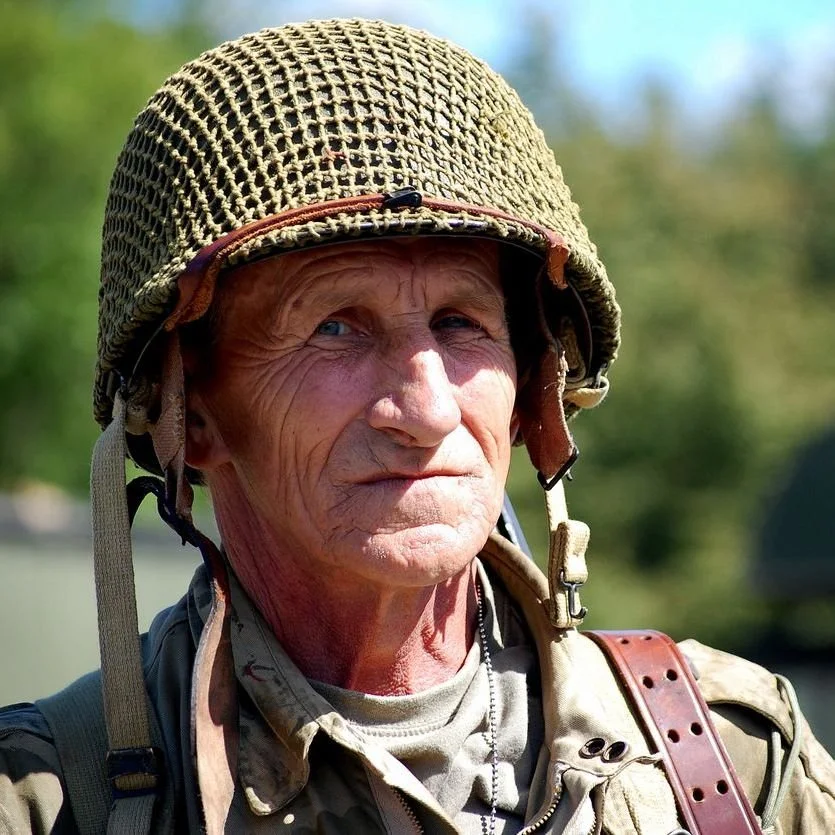
Resolving Issues in Their Original Context
Terror, grief, guilt, or disconnection that seems difficult to explain in a person’s life can become understandable within an ancestor’s experience. Family Constellations brings the ancestor, what happened to them, and the relationships involved into view. The facilitator follows these relationships back to their original context, where the constellation addresses what remains unresolved among those who experienced the events.

Self-Sabotage and Unconscious Family Loyalty
Moving toward success can feel like leaving behind family members who suffered, sacrificed, or lost their place. What appears to be self-sabotage may express an unconscious loyalty that limits progress to preserve connection. Family Constellations considers how guilt, withdrawal, or repeated setbacks can become connected to an earlier family member’s loss, revealing a conflict between moving forward and remaining loyal.

Perpetrator and Victim Dynamics
Violence, abuse, persecution, and other harm can remain significant within families long after the original events. Later generations may become connected to victims or perpetrators through shame, guilt, secrecy, exclusion, or unconscious loyalty. Family Constellations attends to these relationships, recognizing each person’s place within the history while keeping responsibility for harm with those who caused it.