
Family Constellations Resource Library
A curated collection of articles exploring Family Constellations, family relationships, recurring patterns, family history, and the ways experiences across generations may continue influencing our lives.

Interrupted Reaching Out Movement
A child’s natural reaching toward a parent can stop when separation, loss, or unavailability prevents them from feeling received. The longing may remain while reaching becomes painful or frightening. Family Constellations considers where this movement was interrupted, how withdrawal and loyalty developed, and how the unfinished reaching continues through difficulties with closeness, trust, and receiving support.

The Lasting Impact of Abandonment
A parent’s absence or inability to receive a child can leave longing that continues through waiting, grief, anger, or rage. The need for connection remains even when the child stops reaching. Family Constellations considers what the child did not receive, the family history affecting the parent, and why care available in adult life can remain difficult to recognize or accept.

Why Is It Hard to Connect With My Mother?
Longing for closeness with one’s mother can remain alongside anger, grief, or fear of reaching toward her again. Difficulty connecting may involve interrupted reaching, divided loyalty, responsibility for her, or identification with her suffering. Family Constellations distinguishes these movements and considers why love can remain present while receiving care, trusting support, or allowing closeness feels difficult.

Mother Wound and Family Constellations
A child’s longing to be received can continue when the mother could not provide the care and closeness needed. Her own losses, interrupted relationships, or family burdens may have affected her ability to turn toward the child. Family Constellations considers both histories and how unmet care, continuing longing, and loyalty to the mother’s suffering can shape adult relationships.

Father Wound and Family Constellations
Absence, rejection, fear, or unmet needs in the relationship with a father can leave continuing longing for protection, support, and recognition. That longing may shape adult relationships and the person’s movement toward independence and life beyond the family. Family Constellations considers the child’s experience alongside the father’s history, burdens, and divided family loyalties.

Why Do I Feel Invisible in My Family?
A child can be included in family life while receiving little attention or recognition. When attention goes elsewhere, asking for little and remaining in the background can become an established place. Family Constellations considers how this invisibility develops through family roles, loyalty, or entanglement, and how the same position continues in adult relationships through asking for little, overgiving, or difficulty taking an equal place.

Parentification
Parentification occurs when a child assumes responsibilities or a position that belongs with an adult. Becoming a caretaker, confidant, or protector can preserve connection while leaving the child’s own needs unanswered. Family Constellations considers the love and loyalty beneath this position, and how responsibility for a parent can continue through guilt, overgiving, or difficulty receiving support in adult life.

When Children Carry Their Parents' Pain
A child may try to stay close to a suffering parent by sharing their pain, hiding personal needs, or becoming responsible for them. Carrying suffering and taking an adult role are distinct movements, although they can occur together. Family Constellations considers the love and loyalty beneath these connections and how they continue through guilt, overgiving, or difficulty turning toward one’s own relationships and life.

Adoption and Family Constellations
Adoption connects two families through one child. The biological parents give life, while the adoptive parents provide care and a place to grow. Both families belong to the child’s story. Family Constellations considers how separation, loss, identity, and divided loyalty shape the child’s relationship with each family and their sense of belonging.

The Role of the Father
The father gives life alongside the mother and holds a distinct place in the child’s movement toward independence and the wider world. His strength, protection, support, and recognition can be significant in approaching adult responsibilities, relationships, and work. Family Constellations considers how absence, exclusion, divided loyalty, or interrupted connection can affect the child’s movement toward him.

Divorce, Remarriage, and Children
A couple relationship can end while the parent–child relationships continue. Children may become caught in adult conflict, feel required to choose between parents, or assume responsibility for a parent’s suffering. Family Constellations considers how both parents, former partners, and new family members retain their places, and what these relationships mean for the child’s belonging as the family changes.

Sibling Conflict
Siblings share a family but do not necessarily share the same experience of it. Birth order, parental relationships, unequal responsibility, and family roles can shape conflict that continues into adulthood. Family Constellations recognizes each sibling’s place and considers whether present disagreements also carry earlier loyalties, exclusions, or conflicts that belong elsewhere within the family.

Family Estrangement and Family Constellations
Estrangement changes contact between family members without removing their systemic belonging. Separation may involve grief, broken trust, harm, divided loyalty, or conflicts that began in earlier generations. Family Constellations considers these relationships and the distinction between belonging, contact, and closeness, helping clarify what remains unresolved when family members live apart or no longer speak.

The Golden Child in Family Systems
A child admired for achievement may also carry a parent’s unfulfilled hopes or the family’s need to recover pride after loss or humiliation. Remaining exceptional can become a condition for approval and separate the child from siblings. Family Constellations considers what the child’s success represents and whose expectations or earlier losses it has become connected to.

Why Am I the Scapegoat in My Family?
One family member may become the person repeatedly blamed, criticized, or excluded within the family. That position can carry conflicts or responsibility extending beyond their own actions. Family Constellations considers how blame becomes concentrated on one person, whether earlier exclusions are involved, and how the assigned role continues in adult relationships.

Caring for Elderly Parents
Caring for an aging parent can bring earlier family roles, unmet needs, and questions of loyalty into the present. Practical responsibilities may increase while the parent–child order remains. Family Constellations considers the difference between responding to a parent’s actual needs and becoming responsible for their happiness, choices, relationships, or entire life, including how guilt makes that distinction difficult

Grief, Loss, and Family Constellations
Loss belongs to every family story, but not every loss is mourned, spoken about, or given a place. Family Constellations considers who was lost, how others were affected, and whether later family members became connected to unresolved grief. Personal grief and entanglement with another person’s loss are distinct experiences that can exist together.
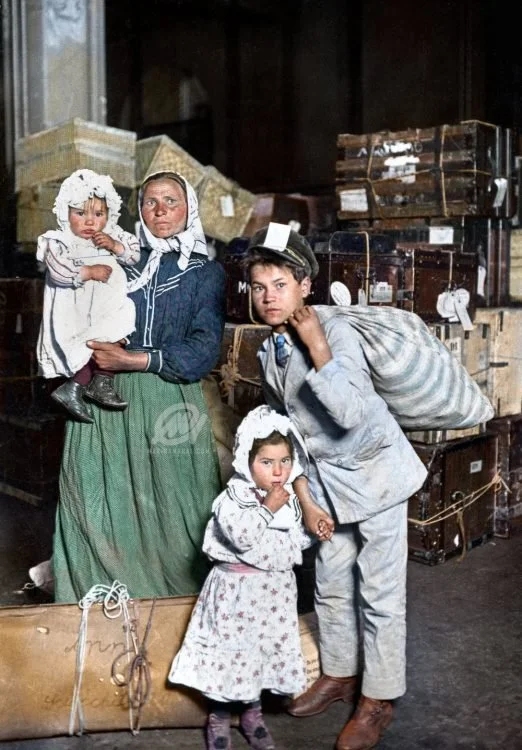
Lost Homeland, Migration, and Family Constellations
Losing a homeland can mean losing language, community, social place, and daily connection with people left behind. These losses and loyalties may continue through later generations. Family Constellations considers how the circumstances of departure, the people who remained, and the relationship with a new country shape questions of home, identity, success, and belonging for migrants and their descendants.

Trauma, the Nervous System & Family Constellations
The effects of an overwhelming event can continue through vigilance, tension, withdrawal, or difficulty receiving support. Family Constellations considers both what happened and the relationships surrounding it, including whether a child was protected and received afterward. Bodily experiences may also bring attention to interrupted connection, unresolved loss, or unconscious loyalty within the family system.

Chronic Illness and Family Constellations
Living with chronic illness can change a person’s place within the family, their responsibilities, and their experience of giving and receiving. Family Constellations considers these relationships alongside unconscious loyalty, unresolved grief, exclusion, and entanglement. Attention turns toward how the person experiences illness within their family and what they may also be carrying for someone else.