
Family Constellations Resource Library
A curated collection of articles exploring Family Constellations, family relationships, recurring patterns, family history, and the ways experiences across generations may continue influencing our lives.

How Childhood Trauma Affects Adult Relationships
A child may respond to frightening or painful family circumstances by withdrawing, remaining watchful, or becoming responsible for a parent. These responses can continue in adult relationships, even when a present partner offers care. Family Constellations considers how interrupted reaching and unconscious loyalty shape what the person expects or fears, distinguishing the earlier relationship from what belongs between adults now

Understanding Relationships Through Family Constellations
Present relationships can become the place where earlier longing, responsibility, grief, or loyalty continues. A partner may be expected to provide what was missing with a parent or become the recipient of care once directed toward the family. Family Constellations distinguishes these earlier relationships from what belongs between the present partners as adults.
Why Family Patterns Repeat Across Generations
Family patterns can continue through the ways children learned to preserve connection and through unconscious loyalty to earlier family suffering. The circumstances may change while a familiar sacrifice, loss, or limitation returns. Family Constellations considers whom or what the repetition connects a person to, and why a pattern may persist even when the person consciously wants a different life.

Why Am I Drawn to Emotionally Unavailable People?
Longing without being received can become familiar when a child repeatedly reaches toward a parent who is unavailable. In adult relationships, an unavailable partner may become connected to that earlier longing. Family Constellations considers how interrupted connection, unconscious loyalty, and the attempt to finally be received can make a painful attraction feel compelling and difficult to leave.

Why Do I Feel So Lonely?
Loneliness can remain even when other people are present and care is available. Earlier reaching that was not received may continue through longing, withdrawal, or difficulty feeling met in present relationships. Family Constellations considers interrupted connection alongside unresolved losses, exclusions, and unconscious loyalty to family members who lived without closeness or belonging.

Why Do I Feel Like I Have to Earn Love?
Being helpful, successful, responsible, or undemanding can become a child’s way of seeking care and acceptance. The effort may continue into adulthood, turning relationships into tests of whether the person has done enough. Family Constellations considers the earlier longing, family roles, and unconscious loyalties beneath the need to secure love through what one provides.
Why Do I Fear Being Rejected?
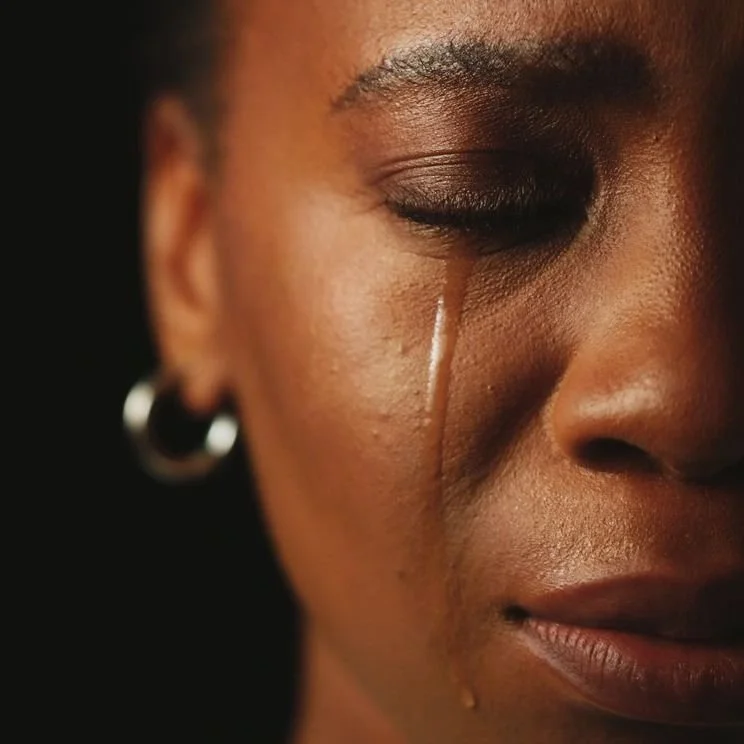
Present rejection can touch an earlier fear of losing connection and belonging. A person may become helpful, undemanding, or constantly attentive to others in an effort to avoid being turned away. Family Constellations considers interrupted reaching toward a parent and loyalty to excluded family members as dynamics that may give context to this fear.
Parent–Child Connection
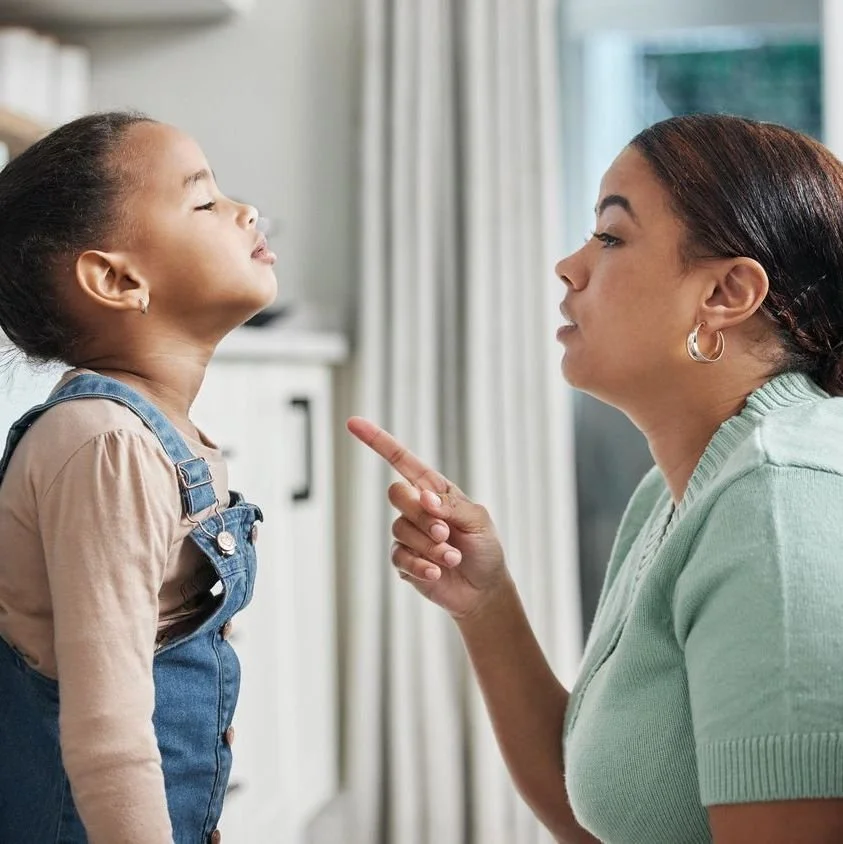
Love between parents and children can remain present even when closeness is difficult. Interrupted reaching, unconscious loyalty, entanglement, and responsibilities carried by a child can stand between them. Family Constellations considers what affects the child’s ability to reach toward and receive from the parents, and the parents’ ability to turn toward and receive the child.
Interrupted Reaching Out Movement
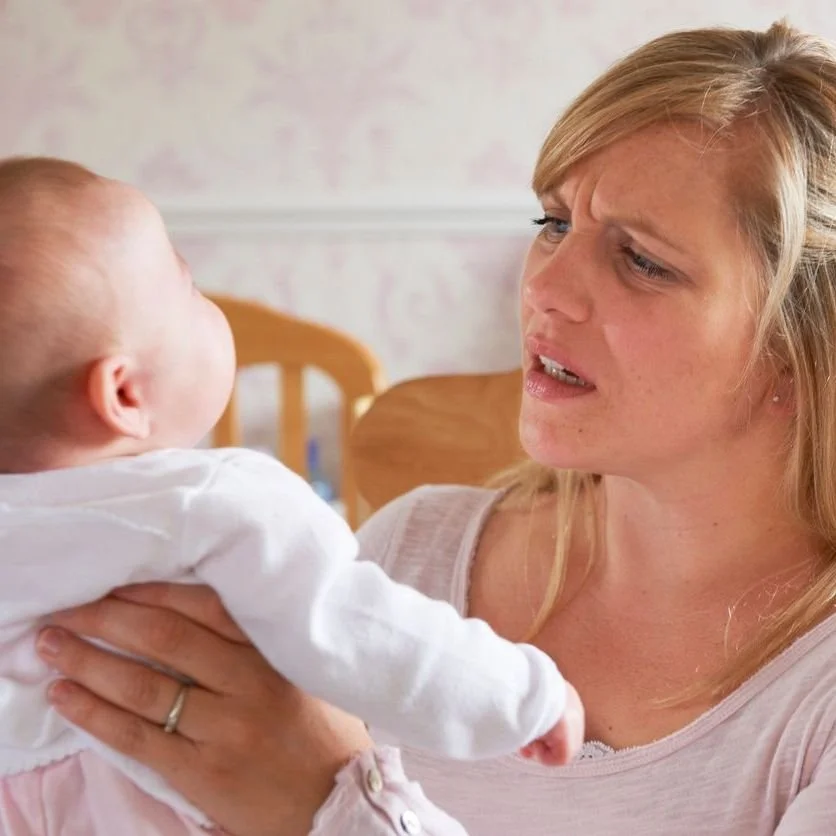
A child’s natural reaching toward a parent can stop when separation, loss, or unavailability prevents them from feeling received. The longing may remain while reaching becomes painful or frightening. Family Constellations considers where this movement was interrupted, how withdrawal and loyalty developed, and how the unfinished reaching continues through difficulties with closeness, trust, and receiving support.

Why Is It Hard to Connect With My Mother?
Longing for closeness with one’s mother can remain alongside anger, grief, or fear of reaching toward her again. Difficulty connecting may involve interrupted reaching, divided loyalty, responsibility for her, or identification with her suffering. Family Constellations distinguishes these movements and considers why love can remain present while receiving care, trusting support, or allowing closeness feels difficult.

Mother Wound and Family Constellations
A child’s longing to be received can continue when the mother could not provide the care and closeness needed. Her own losses, interrupted relationships, or family burdens may have affected her ability to turn toward the child. Family Constellations considers both histories and how unmet care, continuing longing, and loyalty to the mother’s suffering can shape adult relationships.

Father Wound and Family Constellations
Absence, rejection, fear, or unmet needs in the relationship with a father can leave continuing longing for protection, support, and recognition. That longing may shape adult relationships and the person’s movement toward independence and life beyond the family. Family Constellations considers the child’s experience alongside the father’s history, burdens, and divided family loyalties.
Adoption and Family Constellations
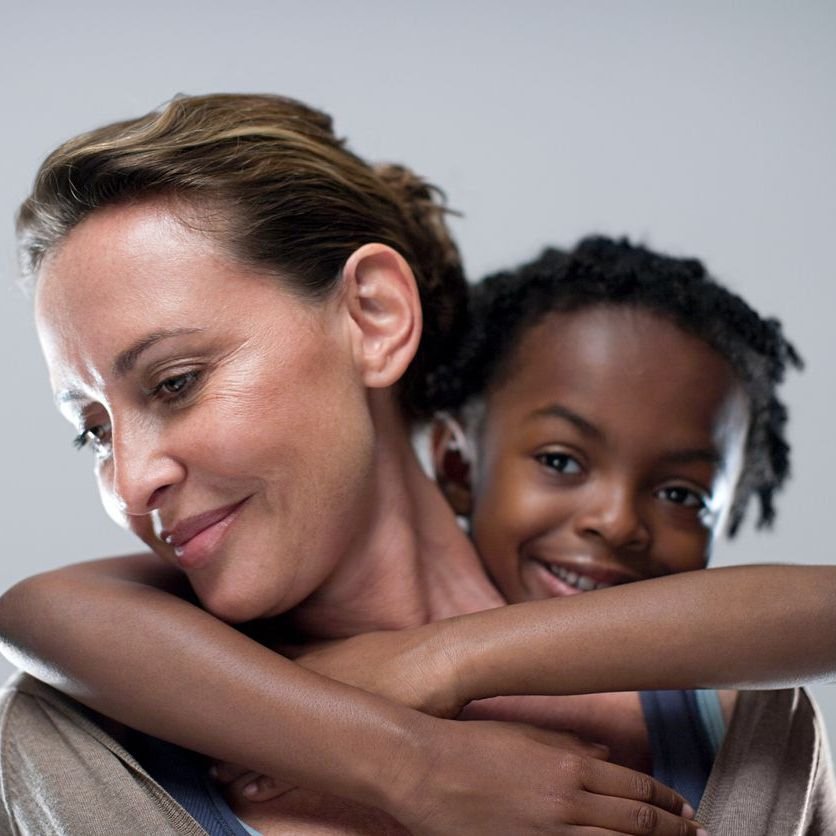
Adoption connects two families through one child. The biological parents give life, while the adoptive parents provide care and a place to grow. Both families belong to the child’s story. Family Constellations considers how separation, loss, identity, and divided loyalty shape the child’s relationship with each family and their sense of belonging.

The Role of the Father
The father gives life alongside the mother and holds a distinct place in the child’s movement toward independence and the wider world. His strength, protection, support, and recognition can be significant in approaching adult responsibilities, relationships, and work. Family Constellations considers how absence, exclusion, divided loyalty, or interrupted connection can affect the child’s movement toward him.

Divorce, Remarriage, and Children
A couple relationship can end while the parent–child relationships continue. Children may become caught in adult conflict, feel required to choose between parents, or assume responsibility for a parent’s suffering. Family Constellations considers how both parents, former partners, and new family members retain their places, and what these relationships mean for the child’s belonging as the family changes.

Sibling Conflict
Siblings share a family but do not necessarily share the same experience of it. Birth order, parental relationships, unequal responsibility, and family roles can shape conflict that continues into adulthood. Family Constellations recognizes each sibling’s place and considers whether present disagreements also carry earlier loyalties, exclusions, or conflicts that belong elsewhere within the family.

Family Estrangement and Family Constellations
Estrangement changes contact between family members without removing their systemic belonging. Separation may involve grief, broken trust, harm, divided loyalty, or conflicts that began in earlier generations. Family Constellations considers these relationships and the distinction between belonging, contact, and closeness, helping clarify what remains unresolved when family members live apart or no longer speak.

Love and Order
Love can lead a child to carry a parent’s suffering or a person to repeat an earlier family member’s fate. The intention is connection, but the movement can disturb each person’s place. Family Constellations considers how belonging, order, and giving and receiving shape the expression of love, particularly when loyalty becomes entanglement or misplaced responsibility.

Bert Hellinger’s Orders of Love in Family Constellations
The Orders of Love describe systemic principles concerning belonging, order, and the balance of giving and receiving. Bert Hellinger observed how disturbances in these relationships could become connected to suffering across generations. Presented with annotations by Barry Krost, these teachings clarify the places of parents, children, partners, and others within the family system.
Problems as Unsuccessful Love
A painful pattern may express an attempt to remain connected through love: carrying a parent’s suffering, sharing an ancestor’s limitation, or continuing a sacrifice. Bert Hellinger described some problems as unsuccessful movements of love. Family Constellations considers whom the movement serves and why carrying or repeating another person’s suffering cannot accomplish what the love seeks.