
Family Constellations Resource Library
A curated collection of articles exploring Family Constellations, family relationships, recurring patterns, family history, and the ways experiences across generations may continue influencing our lives.

Integration After a Family Constellation
Integration is how a constellation experience finds its place in everyday life. What became visible during a session may take on meaning in a conversation with a parent, an offer of support, or a decision about one’s own life. Understanding can develop gradually as the experience settles and meets familiar relationships and situations.

Anxiety and Family Constellations
Anxiety may become more understandable when considered within a person’s family relationships and history. Family Constellations attends to interrupted connection, fear connected to earlier family experiences, and unconscious loyalties through which someone may carry another person’s fear or responsibility. These relationships can give context to anxiety that feels difficult to explain through present circumstances alone.

Depression and Family Constellations
Depression may be understood within the context of unresolved grief, exclusion, interrupted connection, or unconscious loyalty to another family member’s suffering. Family Constellations attends to the people and relationships involved, including losses that remain unacknowledged and burdens carried for others. This perspective brings attention to how a person’s suffering may remain connected to earlier family experiences.

Signs of Generational Trauma
Recurring grief, fear, over-responsibility, or relationship difficulties can invite questions about earlier family experiences. Similar patterns across generations, silence around significant events, or guilt about living differently may draw attention to unresolved family history. Family Constellations considers the people, losses, exclusions, and unconscious loyalties through which earlier suffering may remain connected to present life.

What is Inherited Family Trauma?
Within Family Constellations, inherited family trauma describes connections through which a person may become involved in the suffering, loss, or exclusion of earlier family members. Identification, entanglement, and unconscious loyalty can link present difficulties to family history. A person may carry grief connected to an earlier loss, share another family member’s fear, or repeat a limiting pattern without knowing the history behind it.

Why Do I Feel Deep Shame?
Deep shame can feel like a statement about who a person is, rather than something they carry. Within Family Constellations, attention turns toward belonging, interrupted connection, and unconscious loyalty to family suffering or exclusion. Remaining small, unseen, or unable to receive may become a way of staying connected to someone whose experience has not been acknowledged.

Why Do I Feel So Lonely?
Loneliness can remain even when other people are present and care is available. Earlier reaching that was not received may continue through longing, withdrawal, or difficulty feeling met in present relationships. Family Constellations considers interrupted connection alongside unresolved losses, exclusions, and unconscious loyalty to family members who lived without closeness or belonging.

Why Do I Feel Like I Don’t Belong?
A person can belong to a family while feeling different, unseen, or unable to find their place. Interrupted connection and unconscious loyalty to someone excluded may contribute to this experience. Family Constellations distinguishes fitting in from systemic belonging and considers how earlier family relationships continue within the search for acceptance and connection now.

Why Do I Feel Invisible in My Family?
A child can be included in family life while receiving little attention or recognition. When attention goes elsewhere, asking for little and remaining in the background can become an established place. Family Constellations considers how this invisibility develops through family roles, loyalty, or entanglement, and how the same position continues in adult relationships through asking for little, overgiving, or difficulty taking an equal place.

Caring for Elderly Parents
Caring for an aging parent can bring earlier family roles, unmet needs, and questions of loyalty into the present. Practical responsibilities may increase while the parent–child order remains. Family Constellations considers the difference between responding to a parent’s actual needs and becoming responsible for their happiness, choices, relationships, or entire life, including how guilt makes that distinction difficult

Grief, Loss, and Family Constellations
Loss belongs to every family story, but not every loss is mourned, spoken about, or given a place. Family Constellations considers who was lost, how others were affected, and whether later family members became connected to unresolved grief. Personal grief and entanglement with another person’s loss are distinct experiences that can exist together.
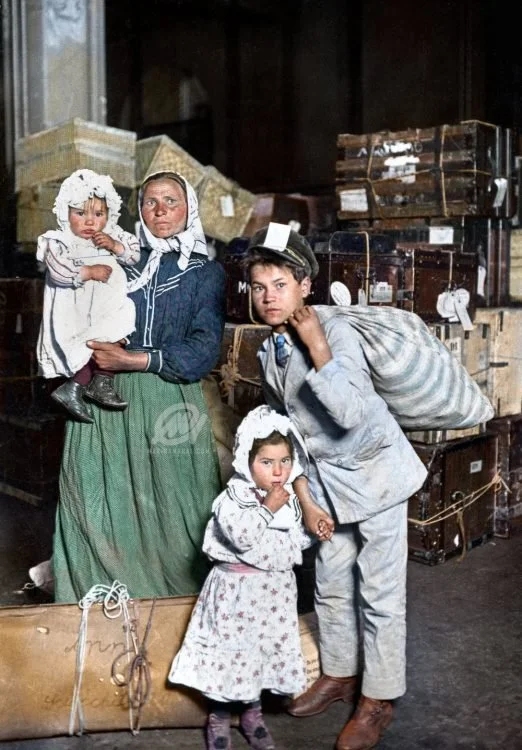
Lost Homeland, Migration, and Family Constellations
Losing a homeland can mean losing language, community, social place, and daily connection with people left behind. These losses and loyalties may continue through later generations. Family Constellations considers how the circumstances of departure, the people who remained, and the relationship with a new country shape questions of home, identity, success, and belonging for migrants and their descendants.

Trauma, the Nervous System & Family Constellations
The effects of an overwhelming event can continue through vigilance, tension, withdrawal, or difficulty receiving support. Family Constellations considers both what happened and the relationships surrounding it, including whether a child was protected and received afterward. Bodily experiences may also bring attention to interrupted connection, unresolved loss, or unconscious loyalty within the family system.

Chronic Illness and Family Constellations
Living with chronic illness can change a person’s place within the family, their responsibilities, and their experience of giving and receiving. Family Constellations considers these relationships alongside unconscious loyalty, unresolved grief, exclusion, and entanglement. Attention turns toward how the person experiences illness within their family and what they may also be carrying for someone else.

Guilt and Innocence
Within a family, innocence can feel like remaining faithful to its values, expectations, and loyalties. Moving beyond them may bring guilt, even when a person has done nothing harmful. Family Constellations distinguishes responsibility for one’s own actions from guilt connected to belonging and unconscious loyalty, including the guilt that can accompany greater happiness, success, or independence

Family Constellations and Forgiveness
Acknowledgment, forgiveness, and reconciliation are different movements. Family Constellations begins with what happened, who was involved, and where responsibility belongs. A person’s place within the family can be recognized while responsibility for their actions and the consequences remain with them. This perspective clarifies why understanding the family history surrounding harm differs from forgiving it or restoring the relationship.

Connection in Family Systems
Connection can be maintained through love and belonging, but also through responsibility, entanglement, or shared suffering. Family Constellations considers how interrupted reaching and earlier family relationships affect the ability to receive closeness now. An important distinction is whether connection allows each person their own place or depends on carrying another person’s burdens, rescuing them, or taking their place.

Giving and Receiving
Giving and receiving follow different orders between parents and children and between adults. Parents give life, which the child cannot repay, while adult relationships involve exchange in both directions. Family Constellations considers how early family roles and unconscious loyalty can make receiving difficult or turn giving into self-sacrifice, obligation, or a way of earning love.

Success, Money, and Family Constellations
Success can feel disloyal when it means having more than parents, siblings, or earlier generations who struggled. Family Constellations considers how receiving life, unconscious family loyalty, and the orders of giving and receiving relate to work and money. Difficulty accepting opportunities, sustaining achievement, or receiving payment may bring these relationships into view.

Self-Sabotage and Unconscious Family Loyalty
Moving toward success can feel like leaving behind family members who suffered, sacrificed, or lost their place. What appears to be self-sabotage may express an unconscious loyalty that limits progress to preserve connection. Family Constellations considers how guilt, withdrawal, or repeated setbacks can become connected to an earlier family member’s loss, revealing a conflict between moving forward and remaining loyal.